403 Forbidden
ERR_WEB_NGX_403

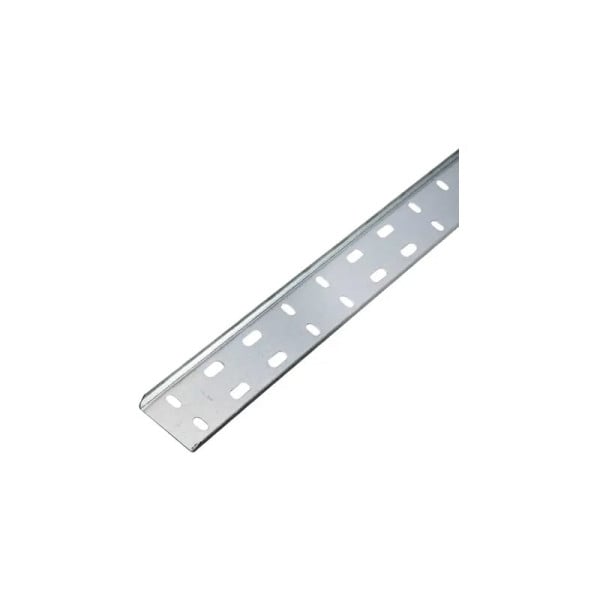
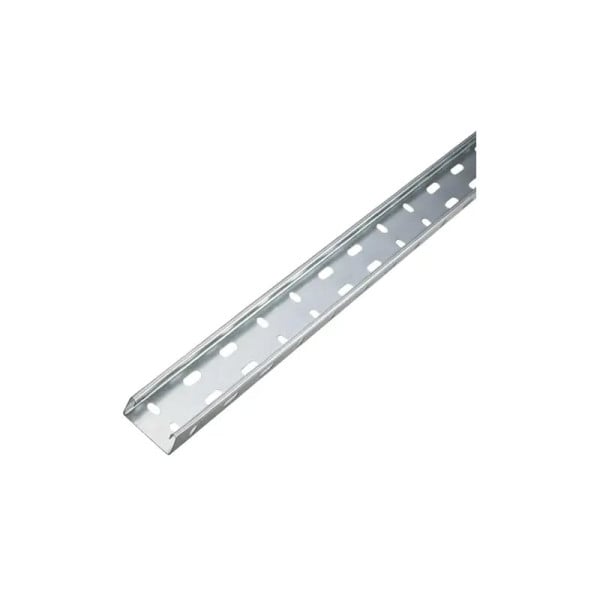
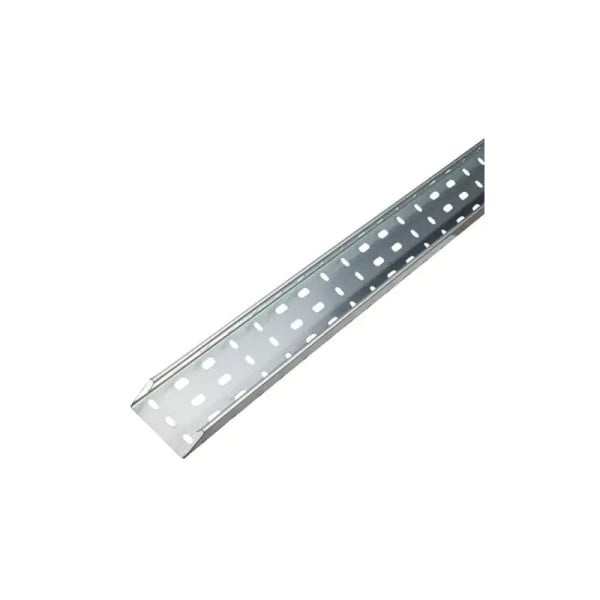


Cable tray systems are an essential component in modern electrical and data installations, providing a robust and flexible solution for routing and supporting cables. From small commercial projects to large industrial applications, cable trays offer a cost-effective and efficient method of managing cables while ensuring proper ventilation and ease of access for maintenance.
One of the foremost brands in the cable management industry is Unitrunk. Known for their innovative designs and high-quality products, Unitrunk offers a comprehensive range of cable tray solutions suitable for various applications. Their products are recognised for their durability, ease of installation, and compliance with industry standards.
Cable trays come in a wide range of sizes to accommodate different cable volumes and installation requirements. The most common sizes range from 50mm to 600mm in width, with several increments in between. Here's a breakdown of the typical sizes:
These varying widths allow installers to choose the most appropriate size for their specific needs, ensuring efficient use of space while providing adequate capacity for current and future cabling requirements.
Types of Cable Tray
Cable tray systems are commonly available in perforated, ladder, and wire mesh (basket) designs. Perforated trays are suited to light and medium-duty cabling where ventilation is required. Ladder trays are typically used for heavy-duty power cables and long-span industrial runs. Wire mesh trays are popular for data and low-voltage installations due to their flexibility and ease of cutting and shaping on site.
Selecting the right materials for your cable trays is essential to guarantee both the strength and longevity of your cable management system. Cable trays are commonly manufactured from pre-galvanised steel, galvanised steel, or aluminium, each offering unique benefits for industrial and commercial environments. The choice of material directly impacts the tray’s resistance to corrosion, its overall performance, and its suitability for specific site conditions. For example, aluminium trays are lightweight and highly resistant to corrosion, making them ideal for harsh or outdoor settings, while galvanised steel provides robust strength for heavy-duty industrial applications.
When planning your installation, it’s important to check the width of both the tray and the cables to ensure a proper fit, reducing the risk of fire hazards and ensuring the system can handle the required cable load. Cable trays are available in a variety of standard lengths and widths, and can be purchased with or without a basket design, depending on your project’s needs. The construction process utilises high-quality materials and precise manufacturing methods, with features such as pre-punched holes and sturdy bolts that make installation quick and straightforward. This not only speeds up the installation process but also ensures a secure and reliable fit, reducing downtime and labour costs on site.
In addition to the trays themselves, a range of essential components—such as cover clips and VAT-compliant fixings—are available to complete your system. These accessories are designed to provide easy integration and enhance the overall performance of your cable tray installation. When making a purchase, it’s wise to review the guarantee offered by the manufacturer and consider the specific requirements of your site to ensure you select the most suitable materials and construction method.
Our experienced team is on hand to offer expert advice, helping you choose from a wide variety of cable trays in stock, from standard options to bespoke solutions tailored to your unique installation. Every product undergoes a thorough review process to ensure it meets the highest standards of quality and performance. By selecting the right materials and construction approach, you can provide a safe, efficient, and long-lasting cable management system—making your next installation both easy and reliable.
Cable trays are classified into different duty ratings based on their load-bearing capacity and intended use. The three main categories are:
Light Duty Light duty cable trays are designed for smaller cable loads and are typically used in office environments, retail spaces, and light commercial applications. They're suitable for supporting data cables, small power cables, and other lightweight cabling systems. Light duty trays often have a load capacity of up to 10kg/m.
Medium Duty Medium duty cable trays strike a balance between strength and cost-effectiveness. They're commonly used in larger commercial buildings, schools, hospitals, and some industrial settings. These trays can typically support loads between 10kg/m and 30kg/m, making them suitable for a mix of power and data cables.
Heavy Duty Heavy duty cable trays are engineered to withstand substantial loads, often exceeding 30kg/m. They're primarily used in industrial environments, data centers, and other applications where large numbers of heavy cables need support. Heavy duty trays are typically made from thicker gauge steel and may feature additional reinforcement to handle the increased weight.
Unitrunk offers products across all these duty ratings, ensuring that customers can find the right solution for their specific requirements.
Cable trays are designed for easy installation and integration with other cable management components. It is quick and hassle-free to install cable trays, which helps reduce project time and costs. They can be mounted on walls, suspended from ceilings, or supported by floor-mounted structures. Unitrunk and other manufacturers provide a range of accessories to complement their cable tray systems, including:
These accessories allow for the creation of comprehensive cable management systems that can be tailored to the unique requirements of each installation.
The use of cable trays offers numerous advantages:
Flexibility: Easy to modify or expand as cabling needs change
Accessibility: Open design allows for quick cable inspection and maintenance
Ventilation: Promotes air circulation, helping to prevent cable overheating
Cost-effective: Generally less expensive than enclosed conduit systems
Time-saving: Faster installation compared to other cable management methods
Capacity: Ability to handle large volumes of cables efficiently
Placing orders for cable trays is straightforward and reliable, ensuring quick dispatch and delivery for both standard and bulk requirements.
In conclusion, cable tray systems, such as those offered by Unitrunk, provide a versatile and efficient solution for cable management across a wide range of applications. With sizes ranging from 50mm to 600mm and duty ratings to suit various load requirements, cable trays can be tailored to meet the specific needs of any installation, ensuring safe, organised, and accessible cable routing.