403 Forbidden
ERR_WEB_NGX_403



Home battery storage systems are becoming increasingly popular in the UK as homeowners seek to reduce energy bills and increase energy independence. These systems allow you to store electricity for later use – either capturing surplus power from solar panels or charging up from the National Grid when rates are low. The UK is already a leader in this area, reflecting high electricity costs and a push for smarter, greener energy use.
How Battery Storage Works (Even Without Solar): If you have solar panels, a battery will store excess daytime generation instead of exporting it, so you can use it during peak times in the evening. Importantly, you don’t need solar panels to benefit from a home battery – you can charge it with cheaper off-peak electricity (e.g. overnight on an Economy 7 or EV tariff) and then use that stored power during expensive peak hours. This strategy of load shifting can significantly cut electricity costs and also provides backup power during outages.
Key Benefits:
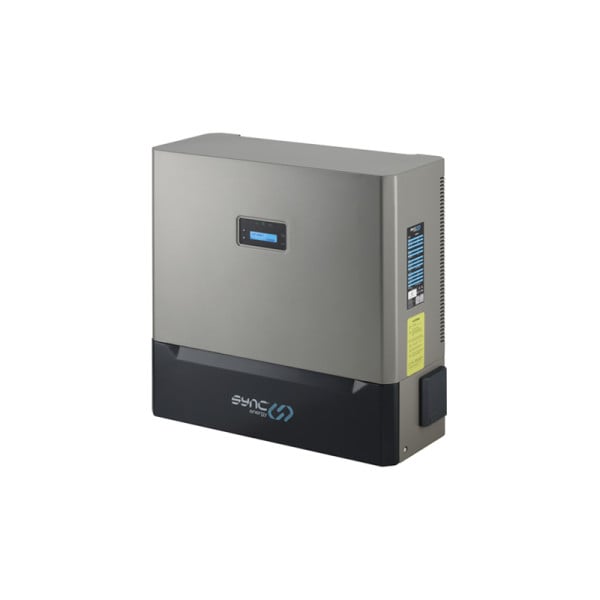
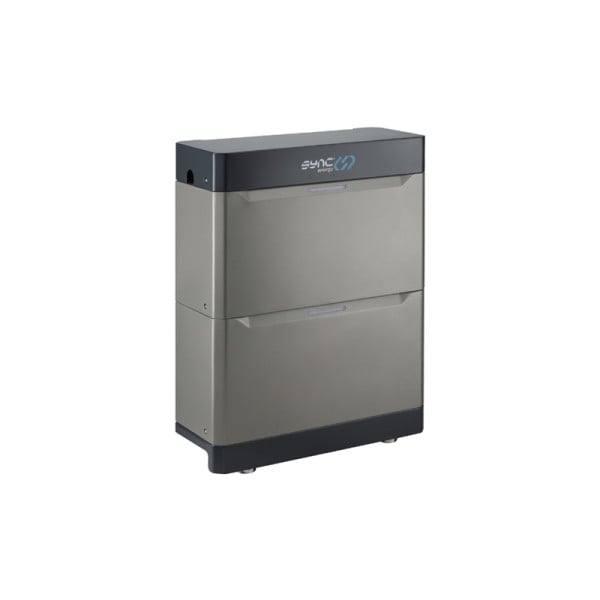
One example is the Sync Energy Flow system – an all-in-one home energy management solution that combines a hybrid inverter with modular battery modules. It works with or without solar panels, allowing you to take advantage of cheap night-time grid power or capture solar energy. Sync Energy Flow uses LiFePO4 (lithium iron phosphate) batteries offering around 90% usable capacity and comes with a 10-year warranty. With 3.6kW or 6kW inverter options and battery storage expandable up to 35kWh, this system can be tailored to suit any home’s needs. It also features a smart app for monitoring usage and optimizing charging schedules.
Home battery storage systems like Sync Energy Flow are helping UK households and installers lead the way toward a more sustainable energy future. By storing energy and using it more efficiently, homeowners can cut electricity costs, reduce their carbon footprint, and increase self-sufficiency. Whether you have solar panels or not, a battery storage system provides the flexibility to make the most of the energy available – day or night – while contributing to the UK’s net-zero goals.