403 Forbidden
ERR_WEB_NGX_403

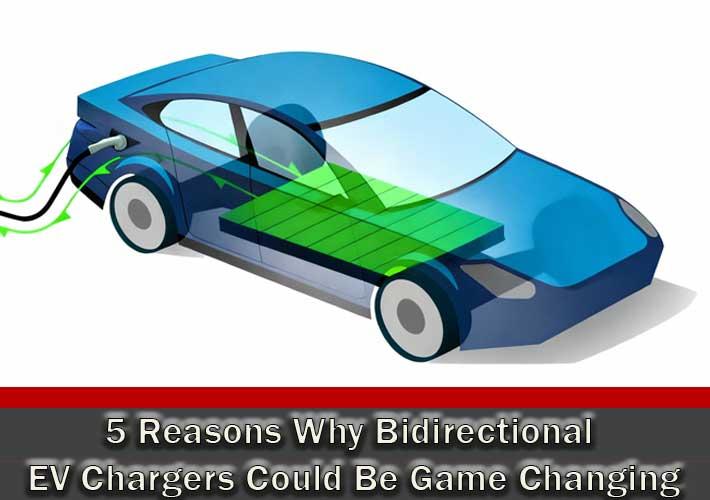
Imagine powering your home using the energy stored in your electric car. Bidirectional EV chargers make this possible by allowing electricity to flow both into and out of your EV’s battery. This emerging technology – also known as vehicle-to-grid (V2G) or vehicle-to-home (V2H) depending on where the energy goes – has the potential to revolutionise how UK homeowners, EV drivers, and solar panel users manage their energy.
Bidirectional electric vehicle (EV) chargers let power flow both into and out of the car’s battery. This means you can not only charge your EV as usual, but also use it like a backup battery for your home or even feed energy back into the power grid. Effectively, a bidirectional charger turns your car into a mobile battery storage system – it can charge up when electricity is cheap (for example overnight at off peak) and then power your home during busy peak hours or provide backup in an outage. As the UK moves towards more renewable energy and smart home technology, these two-way chargers offer a flexible, cost-saving solution for homeowners and EV drivers.

One of the biggest advantages of a bidirectional EV charger is the potential for significant cost savings on your electricity bills. You can charge your electric vehicle during off-peak hours when electricity is cheap (or soak up excess solar power during the day) and then use that stored energy when rates are higher. By “time-shifting” your energy usage in this way – charging low and discharging high – you effectively sell energy to yourself at a discount.
Some UK energy providers offer time-of-use tariffs (cheaper overnight rates), meaning your EV battery can act like a personal energy storage to dodge expensive peak-time prices. In some cases, you might even earn money by feeding electricity back to the grid during peak times, turning your car into a mini power plant for the community.
Why spend £7,000 on a dedicated home battery system when you likely already have a huge battery parked in your driveway? A typical home battery (for example, a Tesla Powerwall) has a useable capacity of 13.5 kWh of energy, whereas modern EVs come with batteries in the 18 to 80 kWh range. That’s 30% more storage capacity than a Powerwall! By upgrading to a bidirectional charger, your EV can double as a home energy storage unit, storing excess solar energy or cheap-rate electricity and supplying it to your home when needed.

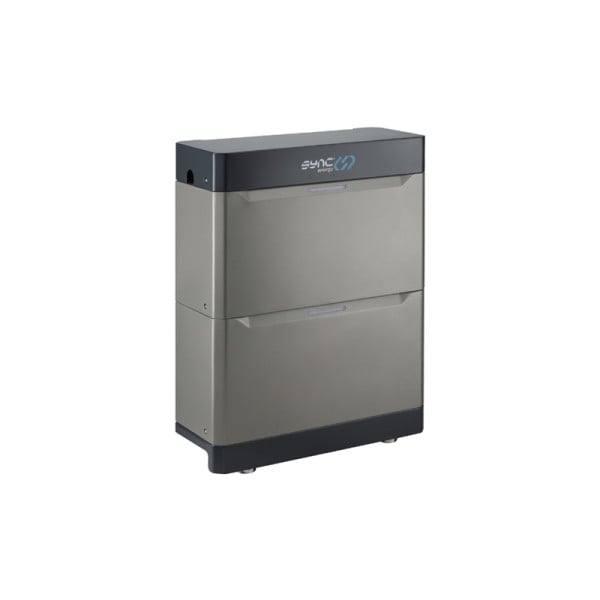
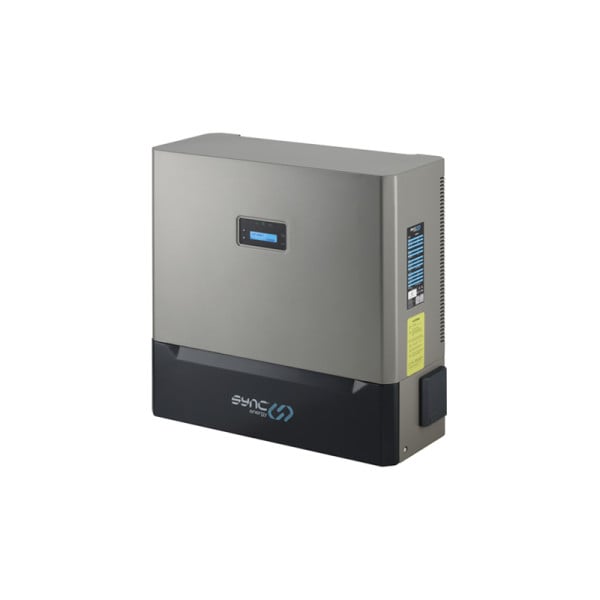
This means you get the benefits of a home battery system without the hefty investment. A home battery setup in the UK can cost around £7,000 (purchase and install) for a Powerwall, but leveraging your EV’s existing battery lets you tap into that storage for a fraction of the cost. Although you will need to consider the energy requirements of your vehicle especially if its not a hybrid. In an ideal scenario it would be better to have a battery storage system and use your car for additional storage. There are more cost effective alternatives to consider such as the Sync EV Flow system.

With a bidirectional charger, your electric car isn’t just transportation – it’s also a reliable backup generator for your home. In the event of a power cut or blackout, a fully charged EV can keep your lights on and essential appliances running for hours or even days. Many EV batteries store enough energy to power an entire house, well beyond what typical standby generators or home batteries can provide. For instance, if your car has a 70 kWh battery, that could cover an average UK household’s electricity usage for several days in an emergency. This kind of energy resilience is invaluable for homeowners who experience occasional grid outages or want an extra layer of security.
Bidirectional charging is most effective as a backup when your car can stay plugged in for an extended period – say, overnight – and especially if the vehicle isn’t needed for travel the next morning. By not having to drive early the next day, you can comfortably draw on the car’s battery overnight to power your home and then recharge the car during the next off-peak window (or once power is restored). In practice, it means you can ride out the night with heat, refrigeration, and Wi-Fi all supported by your “battery on wheels,” and still have your car ready for use when you truly need it. Knowing you have a sizable energy reserve in your driveway offers tremendous peace of mind.
For homes with solar panels, a bidirectional EV charger can be a perfect companion. Instead of sending excess solar generation back to the grid for little reward, you can store that surplus energy in your EV’s battery and use it later when the sun isn’t shining. This greatly increases your self-consumption of solar power, meaning you rely less on the grid and save even more on bills. Your EV effectively becomes a large solar battery that soaks up midday sun and returns it to your home in the evening or at night.
Not only does this maximise the return on your solar investment, it also reduces strain on the grid by smoothing out the peaks and troughs of renewable energy production. Additionally, using more of your own clean energy lowers your household’s carbon footprint. In this way, bidirectional charging supports renewable energy integration – you’re using every ray of sunshine possible and cutting down on energy waste. It’s a win-win for both your wallet and the environment, making your home truly part of a sustainable energy ecosystem.
Bidirectional charging is an emerging technology, while early adopters stand to benefit the most from its advantages you need to ensure that everything n your system will work in harmony. Installing a two-way charger now not only unlocks immediate perks like savings and backup power, but also positions your home for the future of energy and transportation. As more utility companies and energy markets in the UK adapt to electric vehicles as distributed storage, having a bidirectional EV setup could allow you to participate in grid services or special energy programmes down the line. Think of it as turning your home into a smart energy hub that can interact with the wider power system where you charge at 7p per kWh and sell for 15p per kWh.
For motorists that already have a standard one-way EV charger installed, upgrading to a bidirectional charger can be a relatively straightforward enhancement that adds significant functionality. Early adopter homeowners could even see a boost in property value by showcasing renewable energy capabilities and resilience features. While the tech is still new and not yet widespread, it’s quickly evolving – major car brands and charger manufacturers are rolling out V2G/V2H capabilities in the next couple of years. By embracing bidirectional charging now, you’re essentially future-proofing your home and staying ahead of the curve in the green energy revolution.
Conclusion:
Bidirectional EV chargers have the potential to transform the way we use energy at home. From cutting costs and providing backup power to maximising solar usage and preparing your household for the smart grid era, the benefits are compelling. While still in its early days, this technology offers an exciting upgrade path for EV owners – especially UK homeowners with existing EV charging setups looking to get more out of their car and their solar panels.
Early adopters can enjoy greater energy independence and peace of mind, all while contributing to a more stable and sustainable grid. In short, a bidirectional EV charger turns your electric vehicle into more than just a mode of transport – it becomes an integral part of your home’s energy solution, and that could truly be a game changer.