Energy Efficiency

Energy efficiency has become crucial as UK electricity costs continue to rise dramatically, straining budgets nationwide for homes & businesses. These increasing prices stem from supply challenges, infrastructure issues, and volatile global markets that directly impact consumers. Our ongoing content series on energy conservation provides practical strategies to reduce consumption while maintaining comfort. Through product comparisons and straightforward advice, we help readers navigate these economic challenges while reducing their environmental impact, empowering them to make choices that benefit both their finances and the planet.
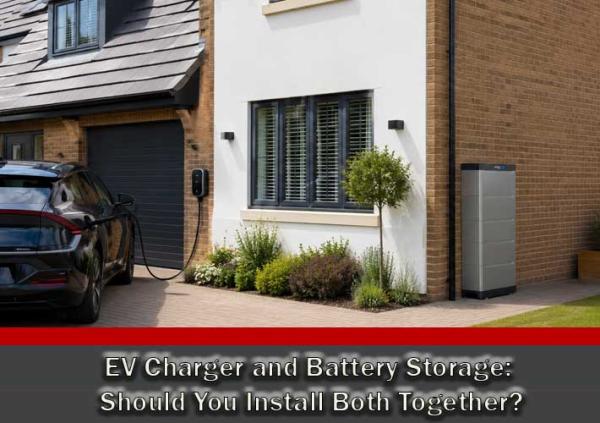

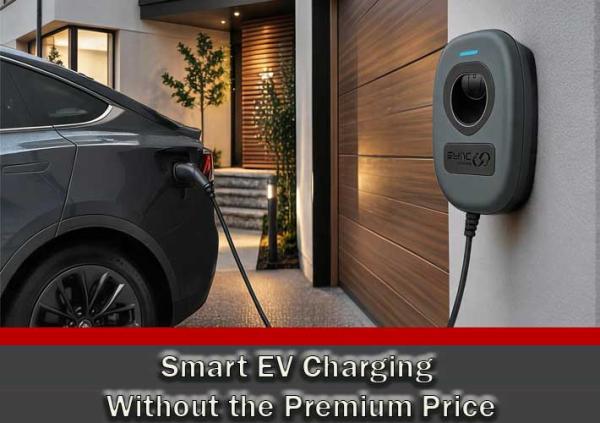
  1. Smart EV Charging Without the Premium Price

    Smart EV Charging Without the Premium Price
    Looking for a smart home EV charger that offers strong value? The BG Sync EV charger combines app control, off-peak tariff charging, solar compatibility, built-in safety protection and practical installer-friendly features.
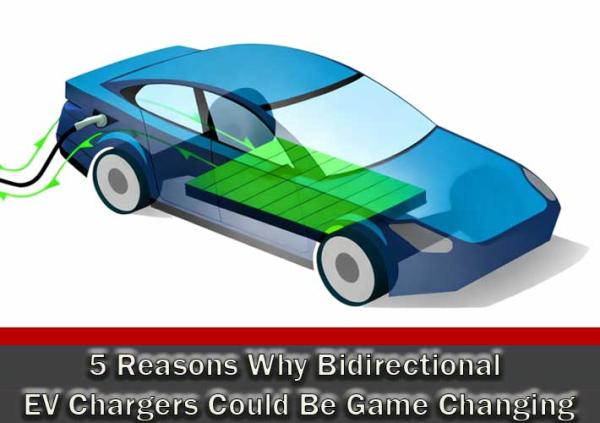
  2. 5 Reasons Why Bidirectional EV Chargers Could Be Game Changing

    5 Reasons Why Bidirectional EV Chargers Could Be Game Changing
    Bidirectional EV chargers let you power your home using your electric car’s battery. From saving on energy bills to providing backup during outages, this emerging technology is transforming how we store and use electricity at home.
  3. The UK's Net Zero Target: What It Means and Can It Really Be Achieved?

    The UK's Net Zero Target: What It Means and Can It Really Be Achieved?
    The UK has committed to net zero by 2050, but is it enough to impact global emissions? This article explores the facts, challenges, and consequences behind Britain’s climate strategy – including migration, offshoring, and energy dependence.
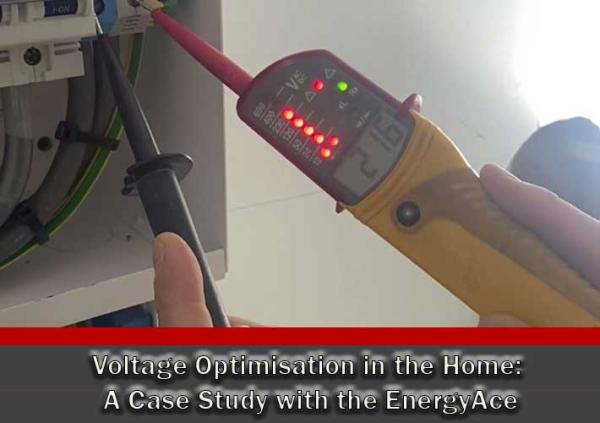
  4. Voltage Optimisation in the Home: A Case Study with the EnergyAce

    Voltage Optimisation in the Home: A Case Study with the EnergyAce
    One homeowner put the EnergyAce 100A to the test — and the results were better than expected. With energy prices soaring, they wanted a smarter way to reduce waste without changing their lifestyle. After a simple installation, their electricity bills started to shift. But did it really pay off? We analysed 5 years of real EDF data to find out
  5. How to Source the Complete EV Charging Kit

    How to Source the Complete EV Charging Kit
    Thinking of installing an EV charger at home or for a customer? Don’t get caught out missing key components. Whether you’re a homeowner planning your first electric vehicle installation, a professional electrician quoting a job, or an installer looking for a quick-reference guide, this article walks you through everything you need — from ground rods to smart chargers.
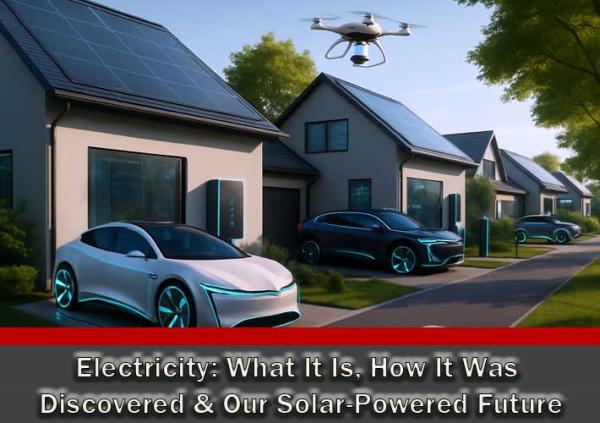
  6. Electricity: What It Is, How It Was Discovered & Our Solar-Powered Future

    Electricity: What It Is, How It Was Discovered & Our Solar-Powered Future
    Electricity powers nearly every aspect of modern life, but how well do we really understand it? This article breaks down what electricity is, traces its fascinating history from ancient discoveries to Alessandro Volta’s battery, and explores how electric eels and boiling water help explain the systems we rely on today. It also looks ahead to a solar-powered future with sustainable,
  7. How Do UK Energy Prices Compare Globally?

    How Do UK Energy Prices Compare Globally?
    Have you ever looked at your energy bill and wondered: “Is it just us, or is electricity expensive everywhere?” If you’re in the UK, the answer is – it’s not just you.
  8. 7 Expert Energy Saving Tips

    7 Expert Energy Saving Tips
    In a time of economic depression we’ve come up with  7 expert energy saving tips to help you to reduce your electricity bills. No matter if this is for your home or business, our expert tips are sure to help you save energy.
  9. Voltage Optimization Explained

    Voltage Optimization Explained
    Voltage optimization is the process of systematic reduction in the level of voltages received by a consumer unit.
  10. Can a light bulb really last 18 years...

    Can a light bulb really last 18 years...
    This is a new updated version version of a post I originally wrote in 2011, which is now 14 years old. Does 14 years of data help to shed light on the reliability of LED lighting?