403 Forbidden
ERR_WEB_NGX_403

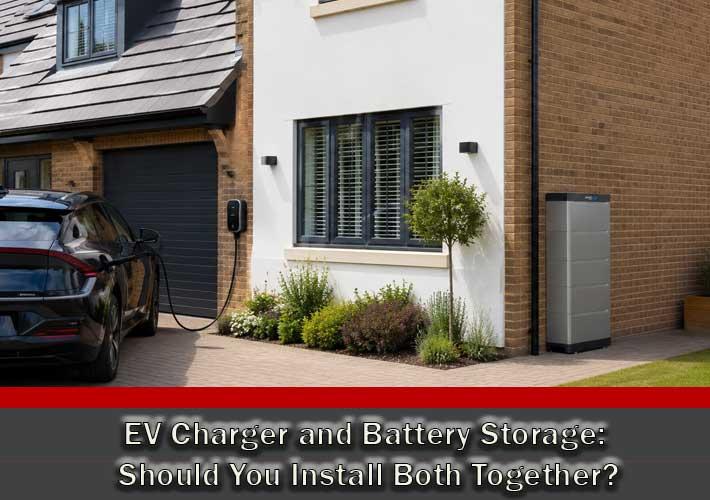
As more homes install electric vehicle chargers, solar panels and battery storage, the way we use electricity is changing. An EV charger is often the first major step into smarter home energy management, but it also raises an important question: should you install battery storage at the same time?
The answer depends on your electricity usage, tariff, solar plans and budget. A home battery system will not fully charge most electric vehicles, but it can help the home make better use of cheaper off-peak electricity and surplus solar energy. This makes battery storage a natural upgrade for customers already planning an EV charger installation.

A 7.4kW EV charger can add a significant load to a property. If the charger runs at the same time as electric heating, battery charging, hot water or other large appliances, the total demand on the electrical supply can rise quickly.

This is why EV charging, solar and battery storage should be considered together. The best setup is not just about buying one product. It is about designing a system that works around your home, your tariff and your future energy plans.
For many homes, the priority will be:
Sync Energy’s presentation highlights an important market change. From 2027, home energy systems, EV chargers, storage heaters and heat pumps are expected to become smarter and suitable for grid stability response. This means the future of home energy is likely to involve more connected devices, smarter scheduling and better control over when electricity is used.

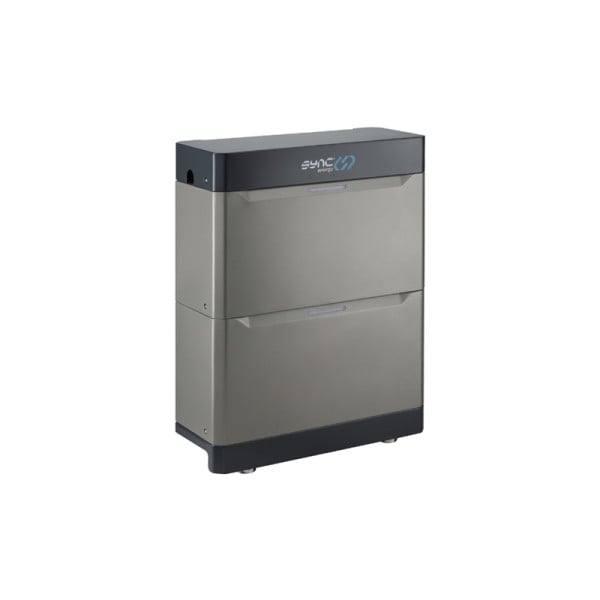
This is where systems like Sync Energy Flow fit in. Rather than treating an EV charger, solar panels and battery storage as separate products, the aim is to manage them as part of a wider home energy setup.
Technically, a home battery can contribute energy while an EV charger is running, but this is usually not the best way to think about it.
Most EV batteries are much larger than a home battery. For example, a 15.4kWh home battery system would only provide part of a full EV charge. In most cases, the better strategy is to charge the EV directly from the grid during cheaper off-peak periods, while using the home battery to power the house during the day when electricity is more expensive.
This creates a more balanced setup:
Without a battery, solar generation is often exported during the day when the home is using less electricity. The property may then import electricity again later when the sun has gone down and demand is higher.
Battery storage helps solve this problem by storing surplus solar energy for later use. This can reduce peak-rate grid imports and improve the value of the electricity generated by the solar panels.

This is one of the main reasons to think about battery storage when installing an EV charger. Even if you are not installing solar immediately, choosing a solar-ready system can make future upgrades easier.
The Sync Energy Flow Battery Storage Buying Guide explains the full range in more detail, but the key choice is usually between a 3.6kW and 6kW inverter.
The inverter rating is measured in kW and controls how quickly the system can charge or discharge. Battery capacity is measured in kWh and controls how much energy can be stored.
Sync Energy’s own guidance positions the 3.6kW inverter with 5-10kWh battery storage as a good option for smaller homes, bungalows and energy-efficient properties. For an average family home, their recommendation moves towards a 6kW inverter with 10-15kWh storage. Larger homes or high-energy users may need a 6kW inverter with larger battery capacity.

For most new installations, start with one of the all-in-one battery storage systems:
For installer-led modular builds, the inverter and battery stack can be ordered separately:
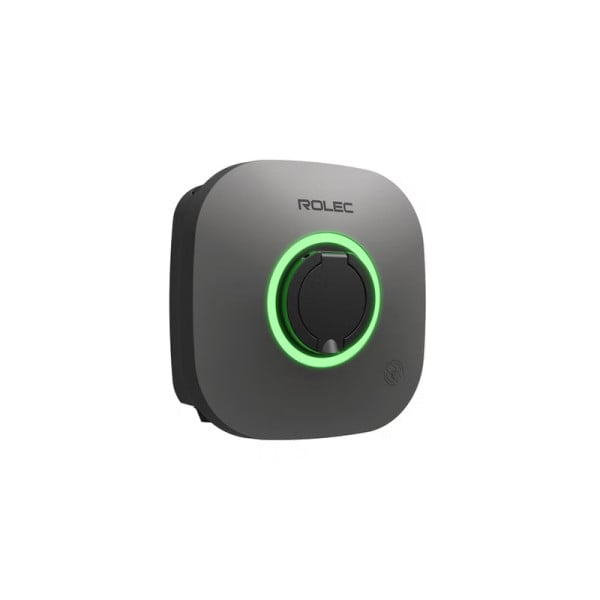
For customers starting with EV charging, view the BG Sync EV Electric Vehicle Chargers. These can form part of a wider Sync Energy setup when battery storage or solar is added.
One useful detail from the Sync Energy presentation is the focus on installation simplicity. The system uses plug-and-play battery connections, easy access wiring and an adjustable mounting base.
These are practical installation features. They can help reduce installation complexity, keep the finished job neater and make future expansion easier where the system has been planned correctly from the start.

Customers comparing battery storage systems will often also look at brands such as Tesla Powerwall, Sunsynk and MyEnergi.
Tesla Powerwall is a premium battery system with high output power and a strong app ecosystem. However, adding additional Tesla battery storage can be expensive and may involve a more complex installation. In some cases, it may actually be cheaper to install a new battery system such as Sync Energy Flow instead of expanding an existing Tesla setup.
The downside is that different systems may not integrate perfectly with each other. If you have a Tesla system, a Sync Energy battery system and a separate EV charger, you may end up using multiple apps. That is why it is worth planning the whole home energy setup before adding extra products.
Sunsynk is another popular name in solar and battery storage, while MyEnergi is well known for EV charging and solar diversion products such as the Zappi and Eddi. These are useful comparison brands, but the best choice depends on whether your priority is EV charging, solar storage, battery capacity, inverter output, app control or installation cost.
A solar diverter is not automatically required when installing a battery storage system.
The main parts of a solar-ready battery system are the hybrid inverter and battery storage. A solar diverter is an optional accessory that can send surplus solar energy to hot water, battery storage or EV charging, depending on the system design.
If your home already heats water cheaply with gas, a solar diverter may not provide the best return. In many homes, surplus solar energy may be more valuable when stored in a battery and used later to avoid expensive peak-rate electricity.
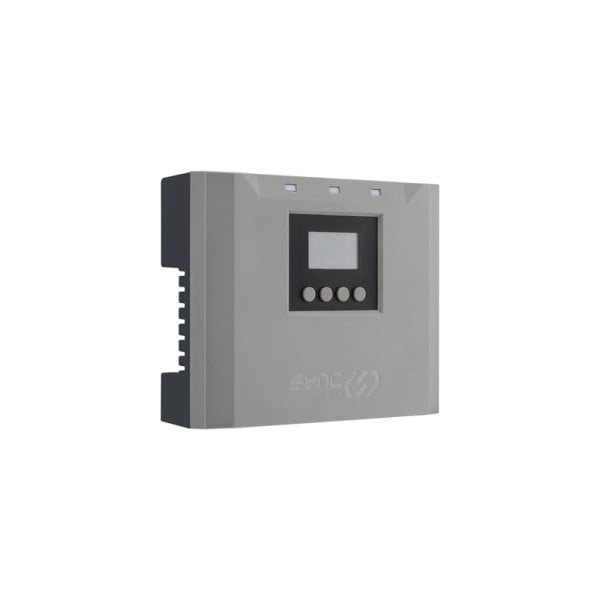
The safer approach is to choose the right inverter and battery capacity first, then only add a solar power diverter if your usage data shows regular surplus solar energy and a clear use for it.
If you are already installing an EV charger, it is a good time to think about battery storage, even if you do not install everything immediately.
Doing this early helps you consider:
For smaller homes, the 3.6kW battery system may be enough. For EV-ready homes, larger family properties, electric heating or higher energy usage, the 6kW Sync Energy Flow system is usually the better starting point.
The closest Sync Energy Flow option would usually be the SEFB512G3 battery stack, which provides approximately 15.4kWh of battery capacity from three battery modules.
At the time of writing, this battery stack is priced at £3,499.83 excluding VAT for supply only. Installation, electrical materials, certification, DNO requirements and any additional components are not included. If you need an installer, we may be able to help put you in touch with one depending on your area.
A Tesla Powerwall 3 provides 13.5kWh of battery storage and has very high output power. Sync Energy Flow is more modular and can be a more cost-effective option, especially when comparing battery capacity and supply-only hardware cost.
For a closer Powerwall-style comparison, look at the Sync EV Flow 6kW All-in-One Battery Storage System with 15.4kWh capacity, or a modular setup using a 6kW hybrid inverter and 15.4kWh battery stack.
The Tesla system has the advantage on output power and ecosystem, but Sync Energy Flow may offer a lower-cost route into home battery storage.
Sync Energy Flow uses LiFePO4 battery technology. LiFePO4 batteries are generally regarded as one of the safer lithium battery chemistries and are commonly used in home energy storage systems.
Thermal runaway is highly unlikely, but no battery manufacturer can honestly say the risk is absolutely zero. The main causes of thermal runaway are usually physical cell damage, severe overheating, manufacturing defects or overcharging. The Sync Energy Flow batteries are designed to reduce this risk with battery management, protected cells and dedicated system controls.
Each battery module has its own battery management protection to help prevent unsafe operating conditions such as overcharging. The system also includes integrated fire suppression for additional safety.
Home insurance requirements vary by insurer, so it is always worth checking before installation. Some insurers may simply note the installation, while others may ask for evidence that it has been installed by a qualified professional and complies with the relevant electrical regulations.
From our own checks, battery storage can be covered under a normal home insurance policy, but this should not be assumed for every customer. Always confirm with your insurer and keep installation certificates and documentation available.
No. Battery storage can be installed without solar panels and charged from the grid during cheaper off-peak periods. However, the financial return is usually stronger when battery storage is combined with solar panels, because the battery can store energy generated by the roof instead of relying only on grid charging.
Yes, Sync Energy Flow is modular. Additional battery capacity can be added where the system has been designed to allow for expansion. However, adding more batteries increases storage capacity only. It does not increase the inverter output. A 3.6kW inverter remains limited to 3.6kW even if more battery capacity is added.
An EV charger is often the first step towards smarter home energy use. Battery storage is the next upgrade to consider, especially if you are planning solar panels, using off-peak tariffs or trying to reduce peak-rate electricity usage.
The key is to avoid buying products in isolation. EV charging, battery storage, solar panels, tariff choice and load management all work together. For smaller homes, the 3.6kW Sync Energy Flow system may be enough. For higher-usage homes, EV-ready installations and future solar projects, the 6kW system is the stronger option.
Read our full Sync Energy Flow Battery Storage Buying Guide for more help choosing the right inverter and battery capacity.