403 Forbidden
ERR_WEB_NGX_403

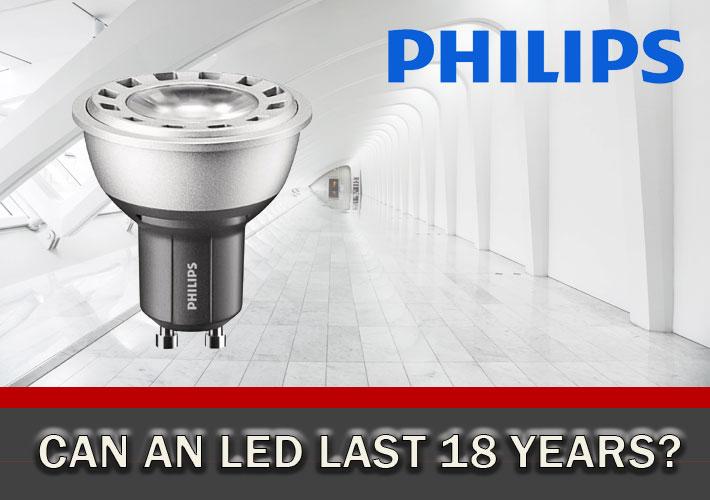
This is a new updated version version of a post I originally wrote in 2011, which is now 14 years old. Does 14 years of data help to shed light on the reliability of LED lighting?
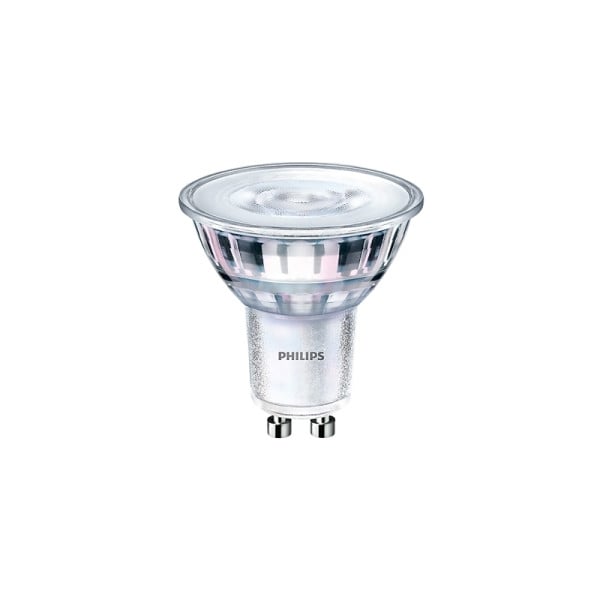
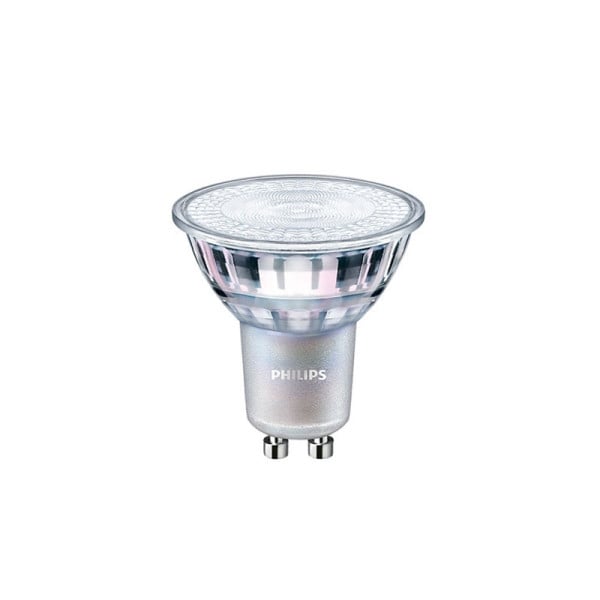
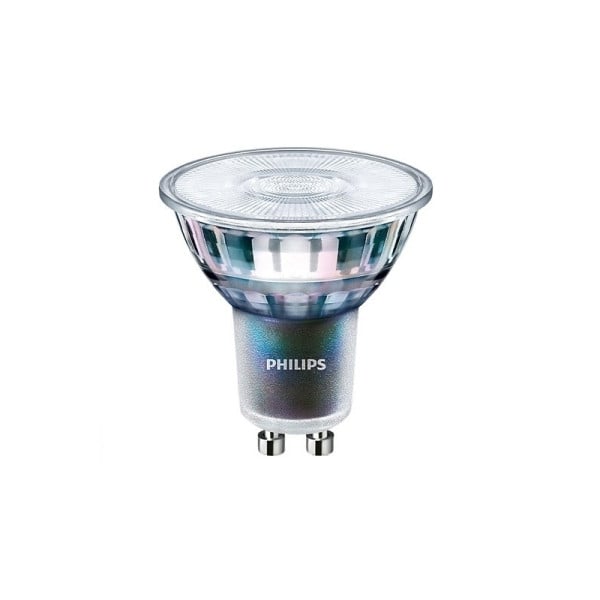
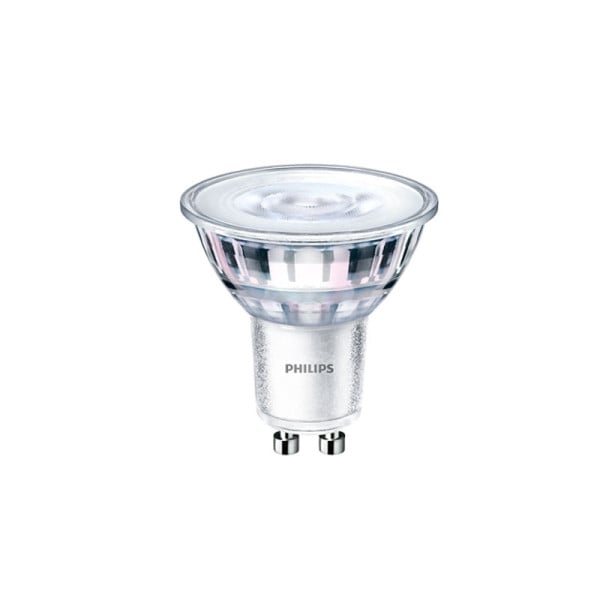
A lot of people are asking what all the fuss about LED lighting is? Well the life-expectancy is one of the many plus-points to consider if you're thinking about jumping on the LED bandwagon. A 6W Philips Master GU10 LED lamp lasts for approx. 40,000 hours, which if used for an average of 6 hours per day, can last up to around 18 years!
Compare this with a 50w halogen bulb, which you will find will need to be replaced after only 2,000 hours or 333 days if used for same average per day as mentioned above. From this evidence, it is clear to see that if you don't want the hassle and cost of replacing your halogens potentially every year then it is best to switch to an LED lighting solution available at Downlights Direct.
LED light bulbs have been advertised for over a decade as long-lasting, energy-saving solutions – often claiming lifespans of 15 to 20 years. In a 2011 Expert Electrical article, for example, a 6W Philips Master GU10 LED was said to last about 40,000 hours, or roughly 18 years if used 6 hours per day. This was a revolutionary promise compared to old 50W halogen bulbs, which needed replacement after only ~2,000 hours (about 333 days at 6 hours/day).
Now that it’s 2025 and LEDs have become the norm, have these bulbs delivered on their 18-year promise? In this follow-up analysis, we examine LED bulb lifespan claims versus reality, the impact of switching cycles, warranty and failure trends, and the cost savings achieved in practice.
Manufacturers often tout impressive lifespans in hours for LED bulbs – 20,000, 30,000, even 50,000 hours – which translate to 10-20 years of use under ideal conditions. The earlier claims of ~40,000 hours (18 years at 6 hours/day) set high expectations. These ratings, however, are typically based on controlled lab tests. They usually refer to the time for the LED’s light output to dim to 70% of initial brightness (the L70 standard), not a hard “burn out” point. In other words, an LED might be considered to have “lasted” 30,000 hours if it’s still glowing (even if dimmer) at that point. Manufacturers also sometimes calculate years of life assuming very conservative daily usage (e.g. 2.7–3 hours per day). This means a box that claims “15-year life” might be assuming only a few hours of use per day, which inflates the apparent lifespan.
In reality, LED bulbs don’t always reach those lofty hour counts, at least not in typical home environments. A recent analysis notes that we should be cautious with lifespan claims – in normal household use, many LED bulbs last on the order of 6–7 years, not two decades. That aligns with anecdotal consumer experiences: for instance, some users found LED bulbs marketed as “7+ years” burning out in 2–5 years. Even the Metropolitan Museum of Art ran into this issue when it replaced incandescent bulbs with LEDs – expecting ~7 years of life, but seeing failures much sooner.
The good news is that even when LEDs fall short of the advertised 18 years, they still tend to outlast old incandescent or halogen lamps by a wide margin. (Incandescent bulbs averaged only ~1,000 hours or <1 year of life, and halogen spotlights around 2,000 hours. In practice, a quality LED might give you say 5-10 years of service before noticeable degradation or failure – which, while below the marketing hype, is several times longer than the bulbs they replaced.
Besides total burn hours, another factor in bulb longevity is how frequently the light is turned on and off. Traditional fluorescent and incandescent lights are stressed by on/off switching, often burning out faster with frequent toggling. LEDs were advertised as different: “Frequent switching on and off does not reduce life expectancy as with fluorescent lighting” according to LED industry sources.
The LED’s solid-state technology isn’t harmed by the inrush of current the way a filament is, so in theory you can flick an LED lamp on and off regularly without shortening the LED diode’s lifespan.
However, LED bulbs are still rated for a maximum number of switching cycles – often around 10,000 to 50,000 cycles for modern products. This refers mainly to the durability of the bulb’s driver circuitry and electronics. Let’s put 10,000 cycles in perspective: if you switch a light on and off 10 times per day (e.g. in a bathroom or kitchen), 10,000 cycles would be reached in about 1,000 days – that’s only ~2.7 years of use. Fortunately, many quality LED bulbs now boast 30k+ or even 50k switching cycles, which at 10 on/off toggles per day would cover well over a decade of operation.
In everyday home use (perhaps 2–5 switches per day for a living room lamp), hitting the cycle limit is usually not a concern. Real-world evidence suggests that on/off cycling is rarely the death blow for LED bulbs – other factors like heat buildup tend to cause failures before pure switching fatigue does. So, while it’s good to be aware of the cycle rating (especially for lights on sensors or very frequent toggling), most users will find that LEDs do hold up to normal switching without issue. This is a clear improvement over older CFL “energy saver” bulbs, which could dramatically lose lifespan if switched on and off too often.
To back up their longevity claims, many LED manufacturers offer guarantees or warranties of 3 to 5 years on their bulbs. In theory, if a bulb fails prematurely within that period, you can get a replacement – a testament to the makers’ confidence in their product. But how reliable are these warranties, and what has consumer experience been in the first 5+ years of widespread LED use?
Field data and consumer feedback indicate a mixed picture. On one hand, LED failure rates are low compared to old bulbs – there’s no fragile filament to snap, and high-quality LEDs often truly last for many years. On the other hand, a significant number of users have reported LED lamps dying well before the advertised lifespan. Common complaints are bulbs that flicker or die outright after 2–3 years of daily use (sometimes just outside the warranty period).
What’s causing these early failures? Experts point out that it’s usually not the LED diode itself that fails, but the other components in the bulb. Every LED bulb contains driver electronics (to convert AC mains to low-voltage DC) and often capacitors, resistors, and sometimes sensors or wireless chips. These parts are more prone to heat stress and electrical surges. In fact, studies have shown the LED’s electronic driver is responsible for around 60% of bulb failures in practice. Heat buildup is a major culprit – if an LED bulb is installed in a poorly ventilated fixture or enclosed space, the excess heat can fry the driver or capacitor long before the LED’s 30,000+ hour rating is reached.
Given this, the 5-year warranty can be a valuable protection. Reputable manufacturers (Philips, Osram, GE, etc.) will typically honor the warranty if you provide proof of purchase and the bulb hasn’t been subjected to misuse. Consumer forums suggest many people have gotten free replacements for bulbs that died young, though the hassle of mailing a claim or filling forms is a consideration.
It’s also worth noting that higher-end LED bulbs tend to have better-designed drivers and thermal management. For instance, one enthusiast reports that while cheap no-name LEDs in their home failed within a couple of years, their pricier Philips Hue LEDs were “still burning after almost 10 years”. In short, you often get what you pay for with LED bulbs: budget models may not live up to the full 18-year promise (some may only last 4–6 years), whereas premium bulbs have a better shot at a decade or more of life. If you’re investing in LED lighting, look for those robust warranty periods and consider sticking with brands known for quality – it can pay off in the long run.
Lifespan aside, one area where LED bulbs incontrovertibly deliver is energy efficiency. Replacing halogen or incandescent bulbs with LEDs yields dramatic reductions in electricity use. An LED uses far less wattage to produce the same light output – typically an 80–90% energy saving. For example, a common 50W halogen GU10 spotlight can be swapped for a 5W LED equivalent, cutting power consumption by about 90%. This not only benefits the environment but also your utility bills.
Let’s quantify the running cost in 2025 terms. Assume an electricity rate of £0.24148 per kWh (24.148 pence per kWh, roughly the current UK average unit price). If a 5W LED is used for 6 hours per day, it consumes 5 W * 6 h = 30 Wh per day, which is 0.03 kWh. Over a year, that’s about 10.95 kWh. The annual electricity cost for that one LED bulb would be: 10.95 kWh * £0.24148 ≈ £2.64 per year in energy. Now consider a 50W halogen used similarly (6 hours/day). It uses 50 W * 6 h = 300 Wh daily = 0.3 kWh. Per year that is 109.5 kWh, which would cost about 109.5 * £0.24148 ≈ £26.44 per year. This is a huge difference: the single halogen bulb uses about £24 more electricity every year than the LED replacement. In other words, you save on the order of £20–£25 per bulb per year just in energy by switching to LED.
Even under older electricity prices the savings were significant. For instance, at £0.15/kWh and ~5 hours use per day, one analysis found an LED GU10 spotlight saved about £12 in electricity costs per year compared to the equivalent halogen. With today’s higher rates and longer usage assumptions, the annual savings per bulb easily doubles that figure. Multiply this by the many bulbs in a typical home, and it becomes clear why LEDs have been hailed as a quick win for both saving money and reducing energy consumption.
When LEDs first hit the market, their one drawback was a higher upfront cost. Even today, an LED bulb might cost anywhere from £3 to £10 (depending on type and brand) versus perhaps £1 for a halogen or old-style bulb. The key question for many is whether the long-term savings (from lower energy use and fewer replacements) truly outweigh this initial expense. Based on both calculations and real-world data, the answer is a resounding yes.
Bulb Replacement Costs: An LED’s extended lifespan means you buy bulbs far less often. Take the earlier example: a Philips LED rated ~40,000 hours versus a halogen at ~2,000 hours. Over a period of 40,000 hours (about 18 years at 6 h/day), you’d need around 20 halogen bulbs to do the job of one LED bulb. Even if a halogen GU10 costs only £1, that’s £20 in bulb purchases, versus perhaps £5 for a single LED GU10. In essence, you save on the order of £15 in replacement bulb costs per socket over that timeframe. It’s a smaller piece of the savings puzzle, but it contributes. On a yearly basis, the LED’s cost works out to just a few pence per month when amortized, whereas regularly replacing halogens adds a bit to your annual spend.
Total Cost of Ownership: The combined effect is substantial. Using our energy calculation plus bulb costs: the LED bulb might cost ~£5 upfront and use ~£2.64 of electricity per year, but it could last ~15–18 years. The halogen would cost ~£1 but use ~£26.44 of electricity per year and likely burn out almost yearly (let’s say one replacement per year at £1 each).
Over 18 years, the LED would incur about £5 + (18 * £2.64) ≈ £52.50 total cost (bulb + energy), whereas the halogen would incur about (18 * £1 for bulbs) + (18 * £26.44 for energy) ≈ £493 total. That’s a staggering difference – roughly £440 in savings in one bulb’s position over its lifetime. Even if your exact usage or prices vary, the trend is clear: the LED more than pays for itself, often within the first year or two, and then keeps on delivering savings. One UK lighting retailer calculated that each halogen-to-LED replacement yields about £182 in savings over 40,000 hours of use (at older energy rates) – and with current electricity prices, the monetary savings are even greater.
Aside from cost, consider the convenience factor: using one LED over 5+ years means less hassle climbing ladders to change bulbs, and less waste going to landfill. Environmentally too, the benefits compound – even if an LED only lasts, say, 6 years instead of 18, it still prevented the manufacturing and disposal of several shorter-lived bulbs and saved hundreds of kilowatt-hours of electricity in that time. In the grand scheme, LEDs have proven to be a sound long-term investment for both individuals and businesses.
So, can a light bulb really last 18 years? The honest answer in 2025: some can, but don’t be surprised if many don’t. The initial promise that a single LED bulb could glow for nearly two decades straight was based on ideal conditions and optimistic projections. Real-world experience has taught us that factors like heat, build quality, and usage patterns can cut that theoretical lifespan down. It’s wise for consumers to temper expectations – perhaps expecting more like 5-10 years of reliable life from a good LED bulb, and treating anything beyond that as a bonus.
Crucially though, even when LEDs underperform their hype, they still deliver enormous benefits. They save energy (often around 90% per light replaced), which slashes electricity bills and carbon emissions year after year. They last significantly longer than the older technologies – meaning fewer blown bulbs and far fewer replacements to buy and install. Reputable manufacturers usually stand by their products for several years with warranties, providing some insurance against early failures. And as LED technology has matured, we’re seeing improvements: today’s bulbs are more robust than the first generation, and knowledge is spreading that investing in a quality LED pays off in longevity and performance.
In summary, LED bulbs have largely lived up to their promise of efficiency and longevity, even if the very highest claims (like “18 years!”) may have been somewhat ambitious. If you haven’t already, it’s still worth “jumping on the LED bandwagon” – just go in with realistic expectations. Choose good-quality bulbs, use them in suitable fixtures, and you’ll likely get a decade or more of hassle-free illumination along with major cost savings. And should an LED bulb fail a bit early? Take advantage of that warranty, get a replacement, and remember that overall, you’re still coming out far ahead compared to the old days of burning through hot, energy-hungry bulbs every year.
In the long run, LEDs remain the bright choice – delivering on most of their promises and then some.