
403 Forbidden
ERR_WEB_NGX_403

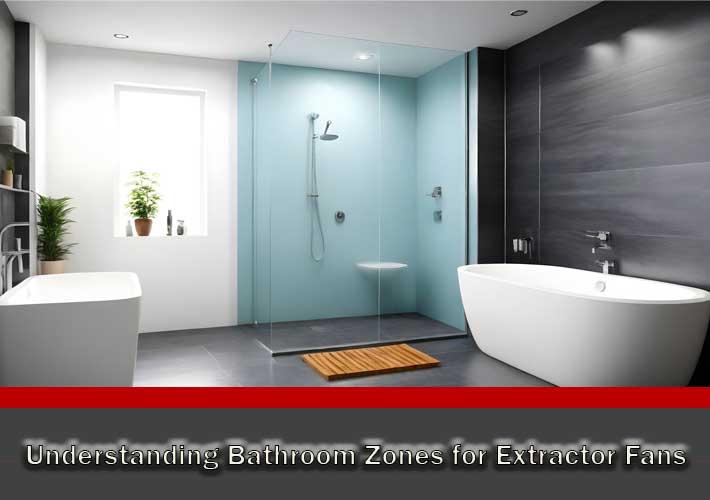
In the realm of bathroom design, both lighting and ventilation play pivotal roles in ensuring a comfortable, safe, and functional space. There are three zones in bathrooms, each with specific requirements for electrical installations, based on the level of water exposure and safety regulations. When it comes to installing extractor fans and lighting, understanding bathroom zones is crucial to adhere to safety standards and achieve optimal performance.
This guide delves into the specifics of bathroom zones for extractor fans, compares them with those for lighting, and recommends suitable Airflow models for each zone. It will also explain how IP ratings (Ingress Protection ratings) are used to classify electrical devices, such as bathroom extractor fans and bathroom extractors, for use in wet and humid environments. An IP rating describes the level of ingress protection against dust (indicated by the first digit) and water (indicated by the second digit), which is essential for ensuring that devices are protected according to their zone number. The minimum rating required for each zone must be met to ensure safety, and devices must be properly protected to prevent water and dust ingress. When selecting a new extractor fan, it is important to choose one with the appropriate IP ratings for the specific room and to consider the range of bathroom sizes and layouts.
For low voltage requirements, safety extra low voltage (SELV) systems are used, and transformers must be installed outside high-risk zones to comply with regulations. In Zone 0, only total immersion proof (such as IPX7) electrical items are permitted. The outside zone refers to the area beyond the three zones, where standard electrical installations can be made, provided they are properly protected. Proper electrical installations are essential in all rooms, and the range of available products ensures there are suitable options for different room sizes and configurations.
When it comes to installing extractor fans and bathroom lighting, understanding bathroom zones is essential for ensuring both safety and performance. Bathroom zones are specific areas defined by UK Building Regulations to guide the safe installation of electrical appliances in bathrooms, particularly around the bath or shower tray. These zones are designed to protect against water ingress and reduce the risk of electrical hazards, making them a crucial consideration for anyone planning electrical work in a bathroom.
There are three main bathroom zones—Zone 0, Zone 1, and Zone 2—each with its own requirements for the type of extractor fan or lighting that can be safely installed. The floor level serves as the reference point for measuring the height of Zones 1 and 2, and the classification applies specifically to the bath or shower area, including the shower tray and surrounding interior. Choosing the right extractor fan for each bathroom zone is vital for maintaining good air quality, preventing condensation, and ensuring compliance with IEE regulations and building regulations.
The IP rating of an extractor fan or bathroom lighting fixture describes its level of protection against solid objects and water. A higher IP rating means more protection, which is especially important in areas exposed to moisture. For example, Zone 0 requires the highest level of protection, while Zones 1 and 2 have specific minimum ratings to ensure safe installation. Low voltage requirements also apply in certain zones, particularly for bathroom lighting, to further reduce risk.
Selecting a suitable extractor fan, such as those from trusted brands like Vent Axia, and installing it at a safe enough distance from the bath or shower tray, helps prevent moisture-related electrical risks. Proper installation not only protects electrical appliances but also ensures a comfortable and functional bathroom environment. By understanding bathroom zones and choosing the right extractor fan and lighting for each area, homeowners can enjoy improved air quality, reduced condensation, and peace of mind knowing their bathroom is both safe and compliant with all relevant regulations.
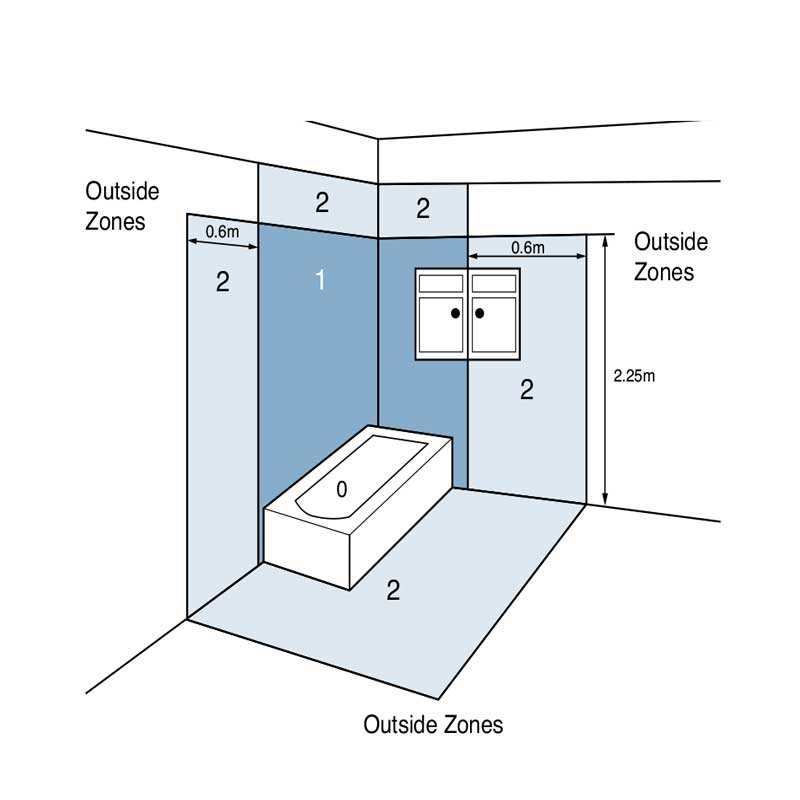
The UK Building Regulations define specific zones within bathrooms and showers to guide the installation of electrical appliances, ensuring safety from water ingress. Each zone is defined by the area directly surrounding water sources such as the bath or shower tray, with specific spatial boundaries in terms of height, width, and radius. Each of these zones is assigned a zone number, which indicates the level of water exposure risk and the corresponding safety requirements. These zones are crucial for both extractor fans and lighting fixtures. For extractor fans, there are three key zones to consider:
This is the area inside the bath or shower tray itself. It’s the zone that can hold water, and therefore, any electrical device installed here must be total immersion proof, such as having an IPX7 rating. Only safety extra low voltage (SELV) devices, such as SELV fans, are permitted in Zone 0 due to the high risk of water exposure. It’s prohibited to install any standard fans here due to the high risk of water contact with electrical components. You’d most likely require some sort of pump if you want to perform any extraction from underwater.
Directly above Zone 0, up to a height of 2.25 meters from the floor, is Zone 1. Here, extractor fans with a rating of IPX4 can be installed if the shower head is fixed and cannot be aimed towards the fan. For movable shower heads, a higher protection of IPX5 is required. Extractor fans and lighting can be installed on the ceiling in Zone 1, provided they are protected with the required IP rating. Mains voltage devices installed in Zone 1 must be protected by an RCD, and transformers for low voltage devices should be located outside of Zone 1.
Fans in Zone 1 can be operated by a pull cord or a switch located outside the zone, and these controls should be switched according to safety regulations. Airflow QuietAir models such as QT100 and QT120 can be used. The QT100 is a 100mm size and the QT120 is 125mm, each size is available in standard, timer, humidity & timer and motion sensor timer versions.
Beyond Zones 0 and 1, extending 0.6 meters horizontally and up to 2.25 meters vertically, lies Zone 2. Fans installed in this zone also require an IPX4 rating or higher for protection against water ingress. Extractor fans can be installed on the wall in Zone 2, provided they meet the required IP rating. SELV fans are also suitable for installation in Zone 2, offering an additional layer of safety. There is a range of extractor fans available for Zone 2, suitable for different bathroom sizes and layouts. These zones ensure that extractor fans are placed at safe distances from direct water exposure, reducing the risk of electrical hazards. Airflow QuietAir models such as QT100 and QT120 can also be used in zone 2.
Similar zoning principles apply to bathroom lighting, with the primary goal being safety from water contact. Lighting in Zone 0 must be low voltage (max 12V) and entirely immersion-proof. Fixtures in this zone should also be able to withstand immersion for long periods, as indicated by an IPX8 rating. For Zone 1, lighting fixtures must be IPX4 rated or higher, similar to extractor fans, to withstand water splashes. Zone 2 lighting requires a minimum of IPX4 rating, ensuring protection against moisture and offering more flexibility in lighting choices compared to Zone 1.
When selecting an extractor fan for your bathroom, considering the specific zone and its requirements is essential. Airflow offers models suitable for Zones 1 and 2, each designed to meet varying needs in terms of performance and installation flexibility.
Ideal for smaller bathrooms and en-suites, offering exceptional quietness and efficiency with an IP45 rating, suitable for installation in Zone 1 when combined with an RCD (Residual Circuit Device), which you should have as either an incoming device on your consumer unit, or use an RCBO or AFDD.
Designed for larger bathrooms, providing higher extraction rates to handle more moisture, also IP45 rated and suitable for Zone 1 with RCD protection.
Both of the QuietAir QT100 and QT120 models are also suitable for Zone 2, offering flexibility in placement with their IP45 rating ensuring protection against moisture ingress. For both zones, these models ensure efficient moisture removal, preventing mold growth and maintaining air quality, all while adhering to the relevant safety regulations.
Understanding and adhering to bathroom zoning regulations is essential for the safe installation of extractor fans and lighting. By choosing the appropriate Airflow models for each zone, you can ensure optimal ventilation and lighting, enhancing the comfort, safety, and functionality of your bathroom space. Whether for a compact en-suite or a spacious family bathroom, the right extractor fan can significantly improve air quality and prevent moisture-related issues. More information can be found in this Airflow PDF brochure.


2 Comments