
403 Forbidden
ERR_WEB_NGX_403


We’ve known about the effects of global warming and the importance of going green for years, and it seems that now this ethos has reached our roads. Solar powered roads may seem like a futuristic idea, but they are something that has been under development for quite some time. As we look for innovative ways to reduce our carbon footprint and embrace renewable energy, the concept of solar-powered roads is rapidly gaining attention as a potential game-changer in transportation and energy production.
Solar powered roads quite simply mean the replacement of asphalt and concrete roads with solar panels. These roads are designed to harness the power of the sun to generate clean energy while also serving their usual purpose of transportation. While the concept is intriguing, there are several factors that need to be carefully considered before they can become a widespread reality. For example, how will the roads function in extreme weather conditions, such as when it's icy or snowy? How will these solar panels hold up under the weight and wear of heavy traffic?
As exciting as the idea of solar roads is, there are several challenges to address. One major concern is the durability of solar panels in high-traffic areas. Engineers are working on making the panels durable enough to withstand the weight of vehicles without compromising their ability to generate electricity. Additionally, issues like snow and ice accumulation on solar roads need to be addressed. Specialized systems that can keep the roads clear of ice and ensure that the solar panels continue to absorb sunlight effectively are essential for making solar-powered roads a viable option, especially in colder climates.
Solar roads hold immense potential for reducing our reliance on fossil fuels and generating renewable energy in a new, innovative way. In addition to providing clean energy, solar roads could also be used to charge electric vehicles while they are in motion, creating a seamless system of sustainable transportation. Furthermore, by using existing infrastructure like highways and streets, solar panels can be deployed more easily and cost-effectively compared to traditional solar farms that require large plots of land.
While solar roads are still in the experimental stage, there have been a few successful pilot projects around the world. Countries like France and the United States are exploring the use of solar-powered roads, and testing is ongoing to determine the feasibility of scaling the technology. As technology advances and the costs of production decrease, we could soon see solar-powered roads becoming a more common sight on our highways, contributing to a cleaner, greener future for transportation.
Solar powered roads represent an exciting step forward in sustainable infrastructure, combining renewable energy production with everyday transportation needs. Although there are challenges to overcome, the development of solar roads could pave the way for a future where our roads not only serve as pathways for travel but also contribute to reducing our carbon footprint and promoting green energy solutions. With continued innovation and investment, solar roads could soon become a reality, offering a cleaner and more energy-efficient way to power our world.
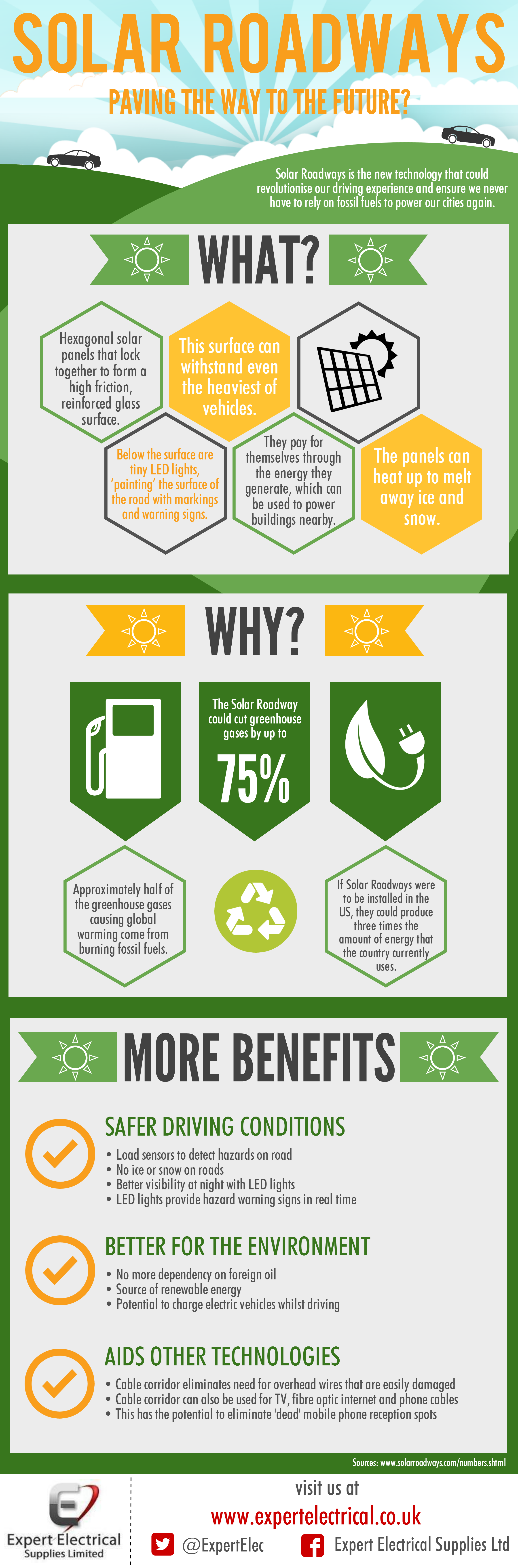
More information about solar roadways is available here.