403 Forbidden
ERR_WEB_NGX_403


In today’s commercial and industrial environments, reliable cable management is no longer optional—it’s essential. From power distribution in factories to data cabling in offices and hospitals, the way cables are routed, supported, and protected has a direct impact on safety, performance, and long-term maintenance costs.
Cable tray systems have become one of the most widely used solutions for managing large volumes of cable efficiently. In this guide, we explain what cable trays are, the main types available, how to choose the correct size and duty rating, and what to consider when designing a cable tray installation.
A cable tray system is a structural support pathway designed to hold, route, and organise electrical and data cables. Rather than enclosing cables inside conduit, cable trays provide an open, ventilated support system that allows:
Because of this flexibility, cable trays are commonly used in commercial buildings, data centres, manufacturing plants, warehouses, and infrastructure projects.
Manufacturers such as Unitrunk produce comprehensive ranges of trays and accessories that allow installers to create complete, compliant systems for almost any environment.
Different installations place different demands on cable containment. The most common cable tray designs include:
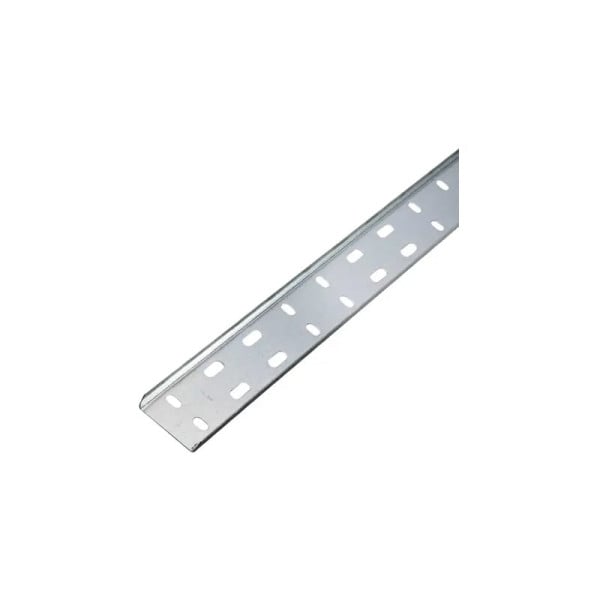
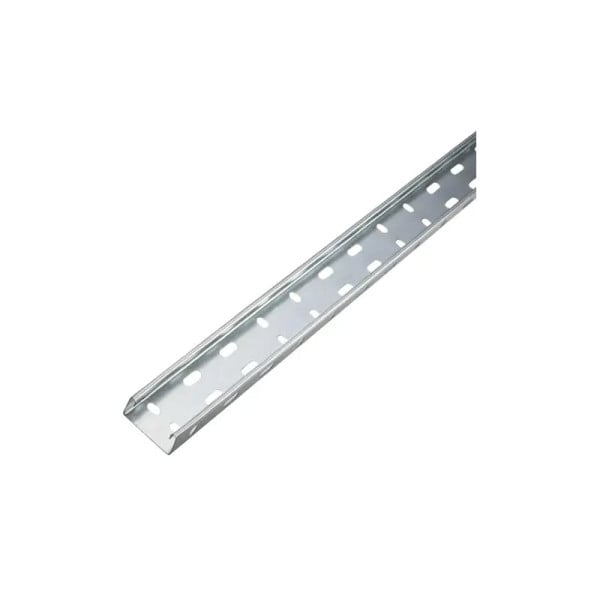
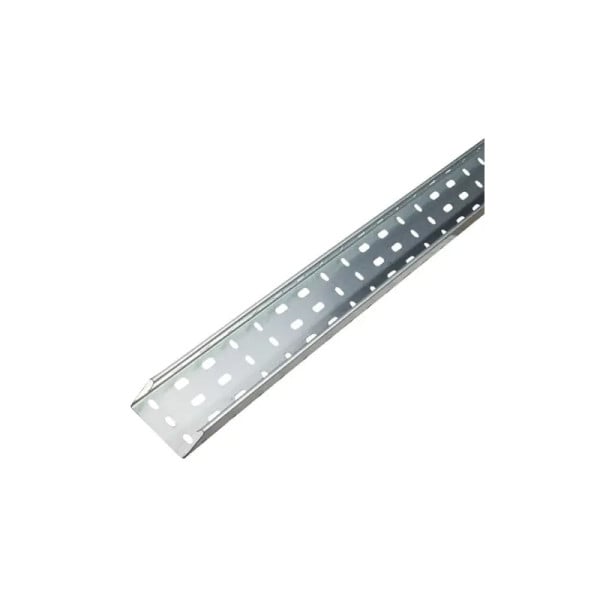
Perforated trays feature a flat base with ventilation holes along the length. They are widely used for light to medium-duty cabling and offer a good balance between strength and airflow. Typical applications include offices, schools, and commercial buildings.
Ladder trays use two side rails connected by rungs, forming a ladder-style structure. This design provides excellent strength and is ideal for heavy-duty power cables and long-span industrial runs. Ladder tray also allows easy cable drop-out and tie-in.
Wire mesh trays are lightweight, flexible, and easy to cut and shape on site. They are especially popular for data, telecoms, and low-voltage cabling where routing may change frequently.
Each type serves a specific purpose, so selecting the correct design is the first step in building an effective cable management system.
Cable trays are available in a wide range of widths to suit different cable volumes and layouts. Common widths typically include:
Correct sizing is critical. Trays should never be filled to capacity, as overcrowding restricts airflow and makes future additions difficult. Allowing spare capacity ensures better thermal performance and easier expansion.
Cable trays are normally classified by duty rating, which defines their load-bearing capability.
Light Duty is Designed for small cable loads such as data cables and light power circuits. Common in offices and retail spaces.
Medium Duty is Suitable for mixed power and data cabling in commercial buildings, schools, and healthcare facilities.
Heavy Duty is Engineered for large, heavy cable bundles often found in industrial plants, data centres, and energy facilities.
Selecting the correct duty rating ensures the tray can safely support the cable weight without excessive deflection.
Material choice directly affects durability and corrosion resistance.
A cable tray installation is only as good as its supporting components. Typical accessories include:
These allow installers to form continuous, well-supported pathways and adapt to changes in direction or tray size.

Good design and installation are just as important as product selection:
Regular inspection helps spot issues such as corrosion, loose fixings, or overfilled trays before they become a problem.

Compared with conduit or trunking, cable tray offers several advantages:
For projects with significant cabling requirements, these benefits translate into lower lifecycle costs and improved reliability.
Cable tray systems provide a practical, scalable, and cost-effective solution for managing modern electrical and data cabling. By choosing the correct tray type, size, duty rating, and material—and pairing it with the right accessories—you can create a safe, organised, and future-proof cable management infrastructure.
For contractors, facilities managers, and specifiers alike, investing in a well-designed cable tray system is one of the most effective ways to improve installation quality and long-term performance.
What is cable tray used for?
Cable tray is used to support, route, and organise electrical and data cables in commercial and industrial installations. It provides an open, ventilated pathway that makes cables easy to inspect, maintain, and expand.
What is the difference between ladder tray and perforated cable tray?
Ladder tray is typically used for heavy-duty power cables and long industrial runs, offering high strength and easy cable entry. Perforated cable tray is better suited to light and medium-duty cabling where good ventilation and continuous support are required.
How do I choose the correct cable tray size?
Tray width should be based on the number and diameter of cables, while allowing spare capacity for future additions. Cables should never completely fill the tray, as overcrowding restricts airflow and makes maintenance difficult.
What duty rating do I need for cable tray?
Light duty trays are suitable for data and small power cables, medium duty for mixed commercial applications, and heavy duty for large or heavy industrial cable runs. Always check manufacturer load tables before specifying.
What materials are cable trays made from?
Common materials include pre-galvanised steel, hot-dip galvanised steel, and aluminium. The choice depends on the environment and required corrosion resistance.
Can cable tray be used outdoors?
Yes. Hot-dip galvanised steel or aluminium cable trays are commonly used outdoors or in corrosive environments due to their enhanced resistance to rust.
Do cable trays need to be earthed?
In many installations, metal cable trays must be bonded and earthed in accordance with wiring regulations. Always follow local regulations and manufacturer guidance.
How often should cable tray systems be inspected?
Periodic inspections are recommended to check for corrosion, loose fixings, physical damage, or overfilled trays, particularly in industrial environments.